
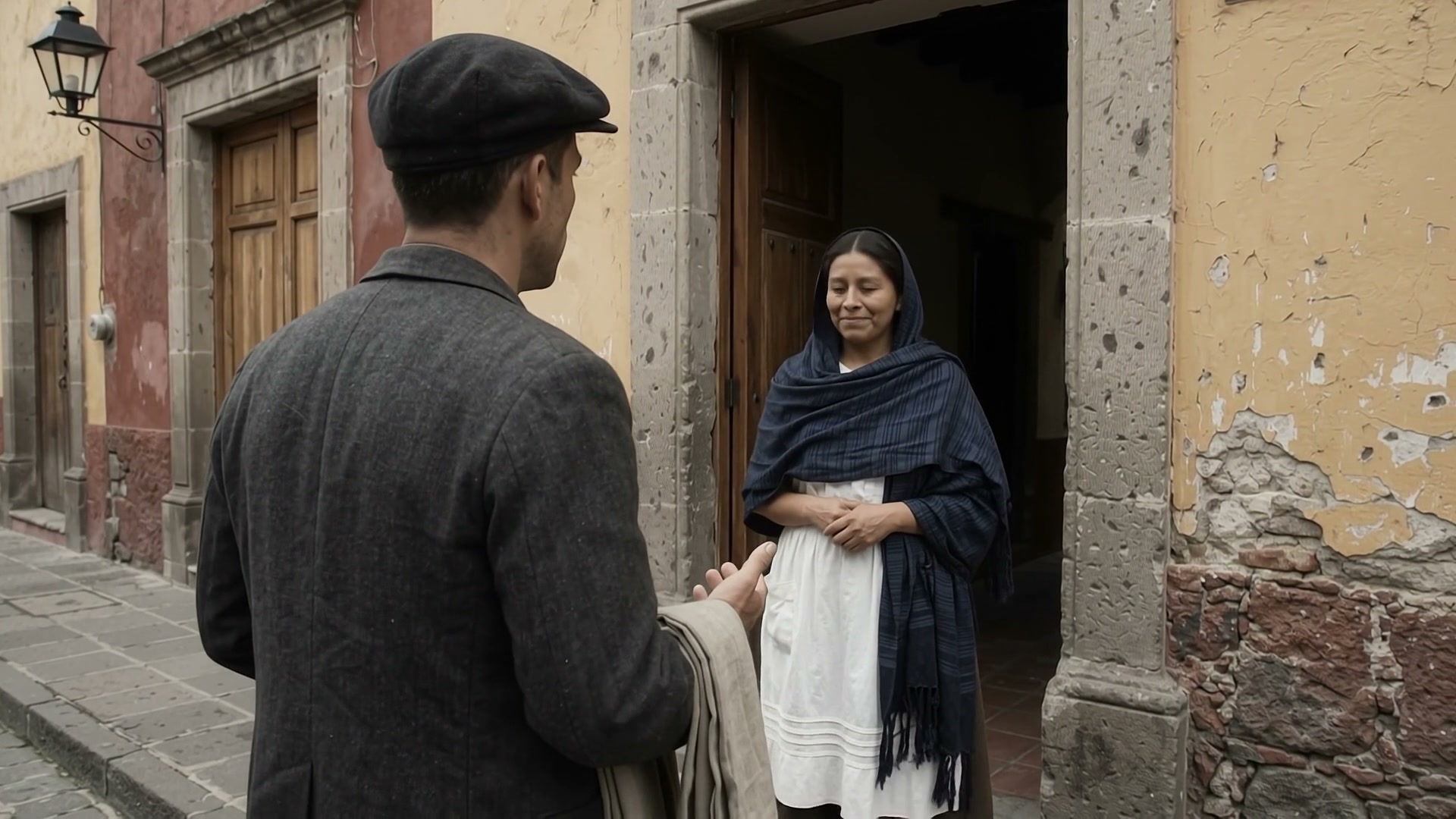
There is an idea that sounds harmless and isn't: "the prosperous are born prosperous". As if what we see in Polanco today —façades, synagogues, schools, businesses— had arrived ready-made. In this capsule we follow the thread backwards, to a man walking at night through the Centro around 1920, without the language, without contacts, with needles and fabrics to sell on installments.
What moved us most while putting it together is that they weren't even "one" group: Syrians, Sephardim, Ashkenazim, with different languages and rites, who in 1912 started out together, over the years organized themselves separately, and whom the public story ended up merging into a single bloc.
I leave you with the question: what is lost, and what is gained, when we put so many different stories under one comfortable label?
Want to reply?
Reading is free, but to write you'll need to register. It only takes a moment: enter your email, a link arrives, and you're in. You'll never have to remember a password.
Sign in to reply